
As a doctor and classically trained chef, I believe in the power of food to nourish your body and soul. Come explore my collection of easy and approachable recipes. With detailed photos and expert tips, embracing healthy eating has never been simpler.
All-Time Favorite Healthy Recipes
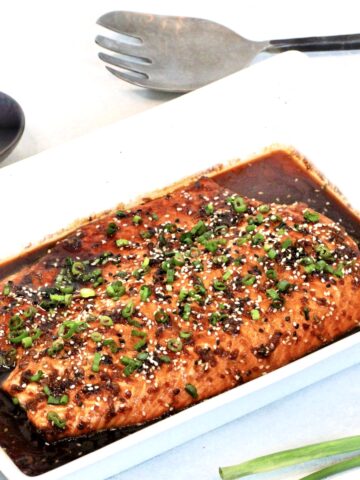
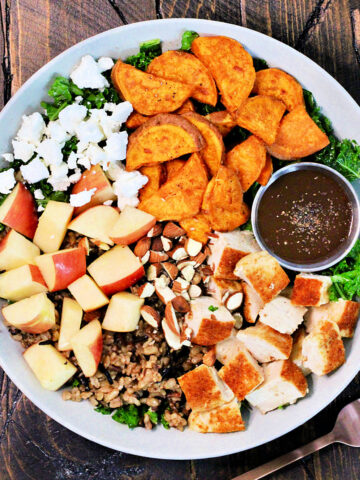
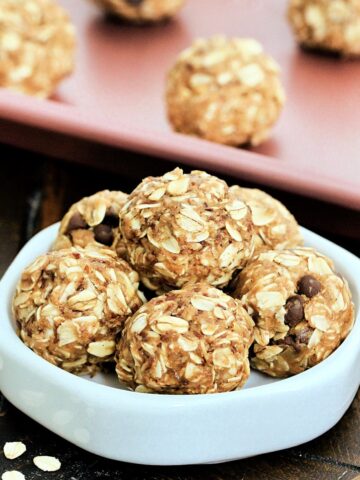
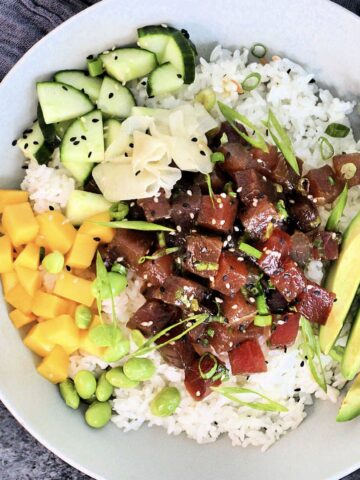
A collection of my best tried-and-true dishes that are packed with flavor and nutrition.
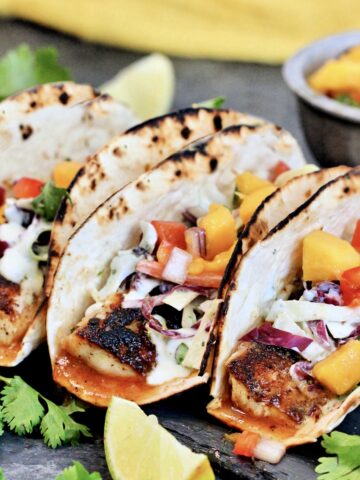
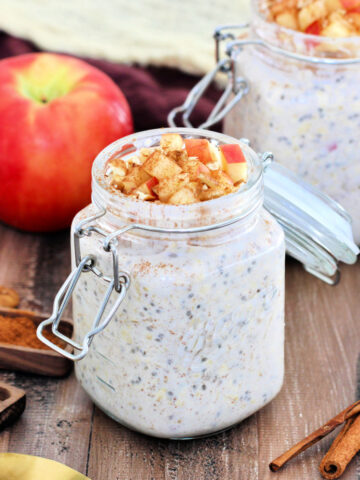
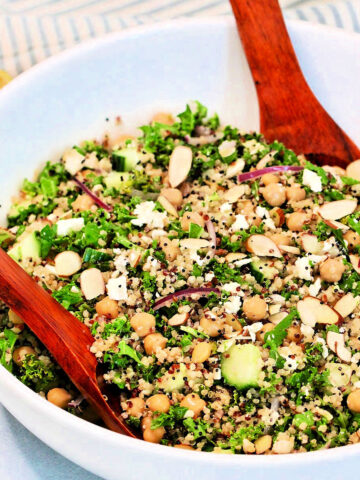
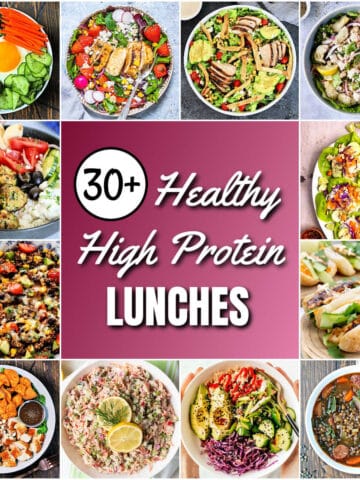
See more all-time favorite healthy recipes →
Trending Posts
My most popular recipes and posts that readers are loving right now!
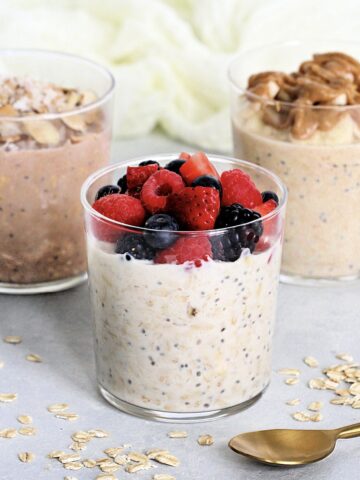
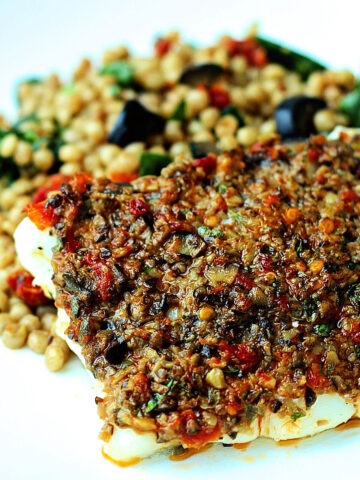
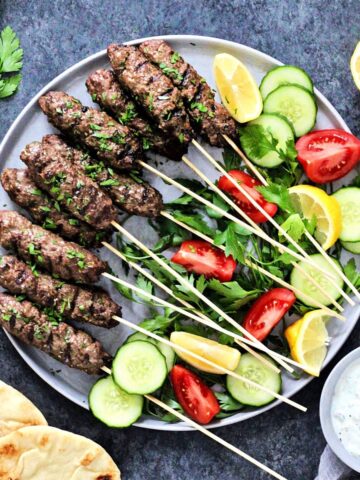



Find recipes for...
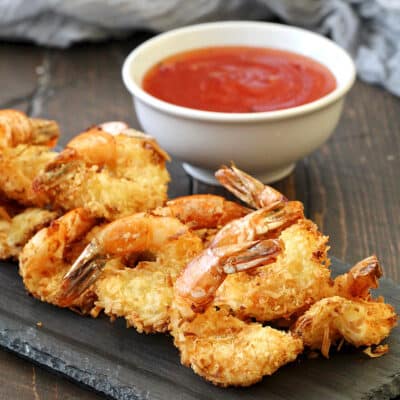

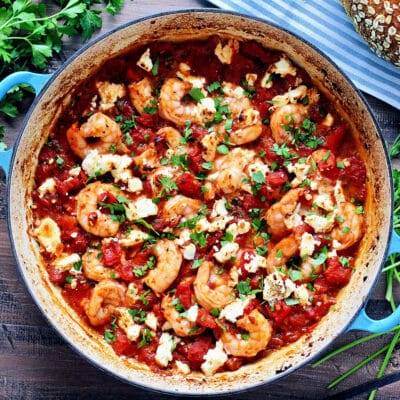
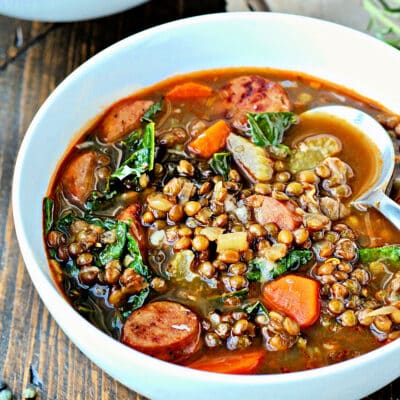

Welcome to The Foodie Physician!
Hi there, I'm Dr. Sonali Ruder. I'm an ER doctor, trained chef, and cookbook author. I want to help give you the tools to take control of your health, starting in the kitchen. Healthy food can and should be delicious! .
Air Fryer Resources and Recipes
All of my best recipes for the hottest new kitchen appliance. Healthy cooking has never been easier!

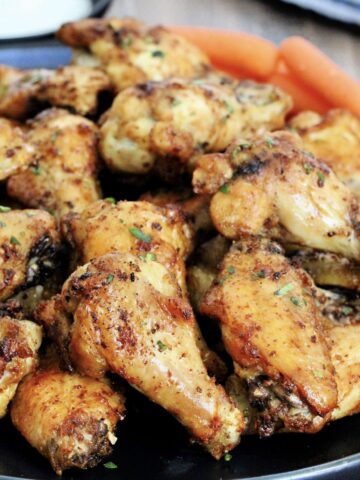
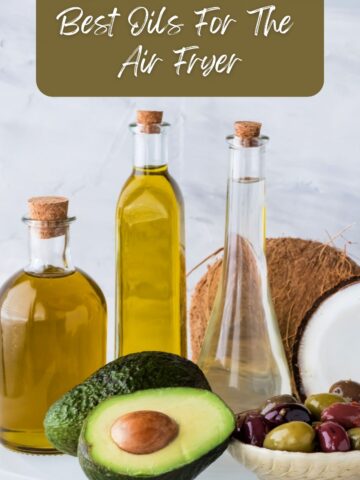

See more air fryer recipes →
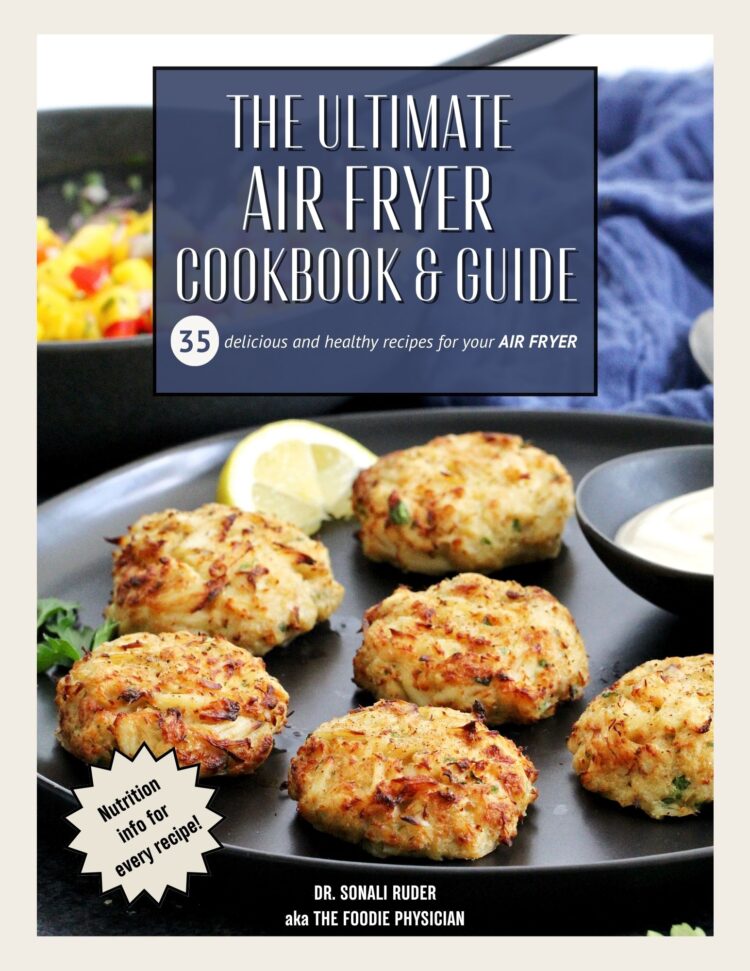
Master your air fryer with my new ebook!
Cook smarter, not harder with your air fryer! You'll get 35 delicious and guilt-free recipes plus FREE bonus cooking time guides (cheat sheets)!
Easy Weeknight Dinners
Make busy weeknights a breeze with these quick and healthy dinner recipes that can be made in under 30 minutes.
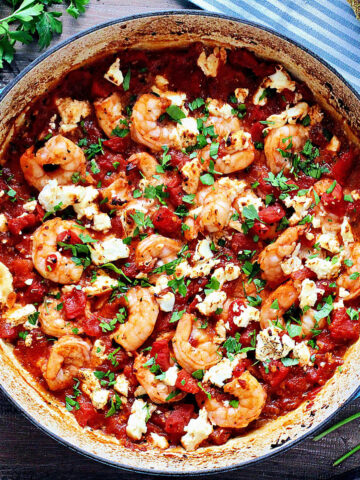
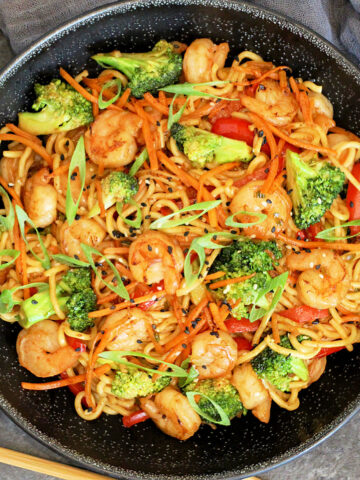
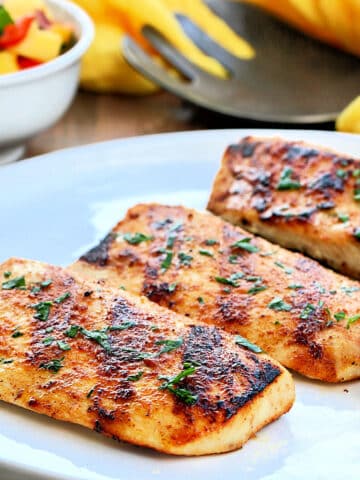

See more easy weeknight dinners→
Comforting Soups and Stews
Warm up with these comforting, stick-to-your-ribs soups and stews that are satisfying and full of flavor.
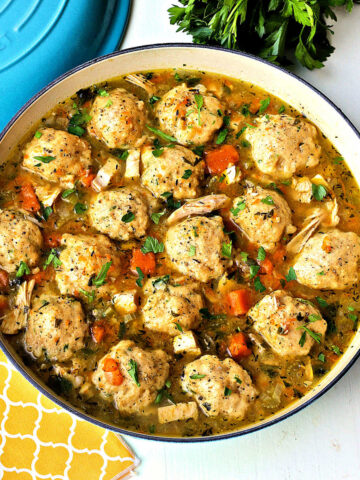
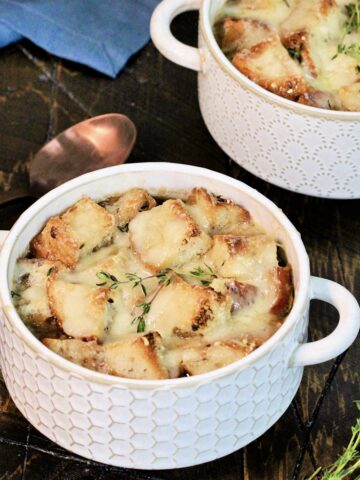
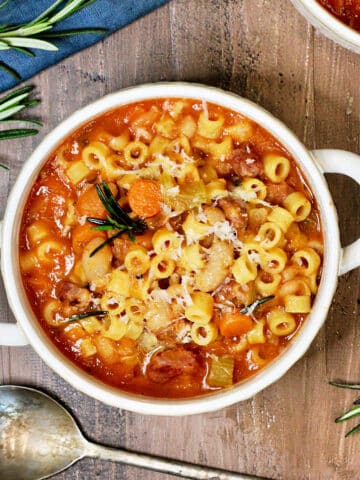

See more soups and stews →
Healthy Breakfast Recipes
Start your day off right with these hearty and nutritious breakfast dishes!
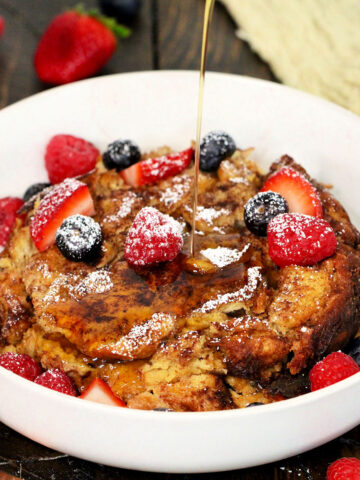
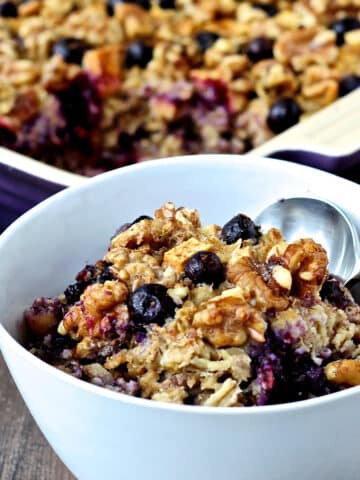
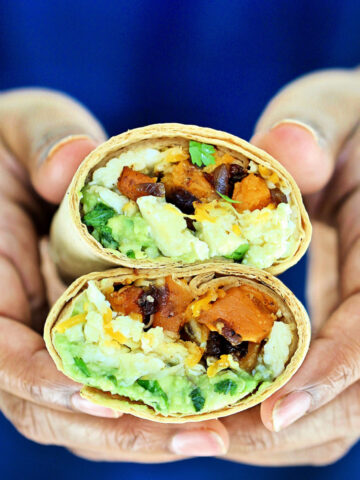
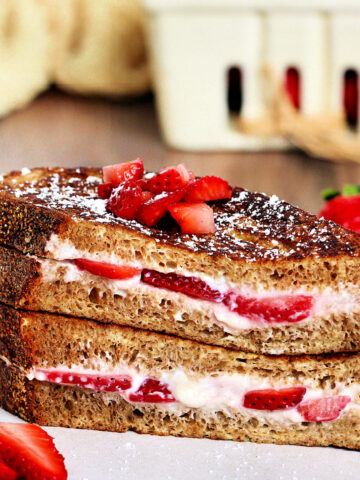
See more breakfast recipes →
Vegetarian Recipes
Savor the goodness of plant-powered creations with this diverse collection of flavorful and nourishing recipes.
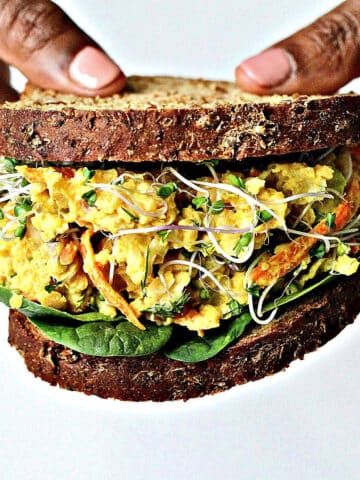
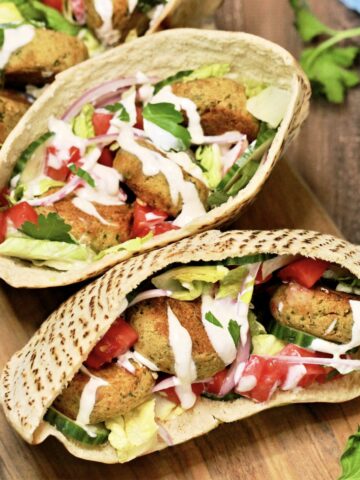
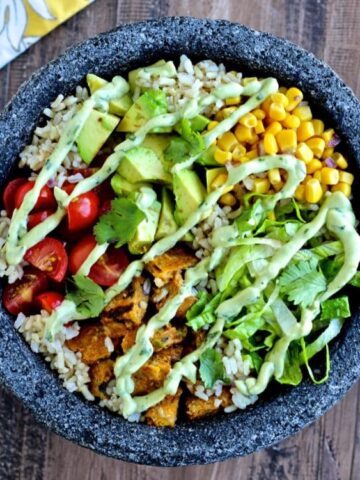
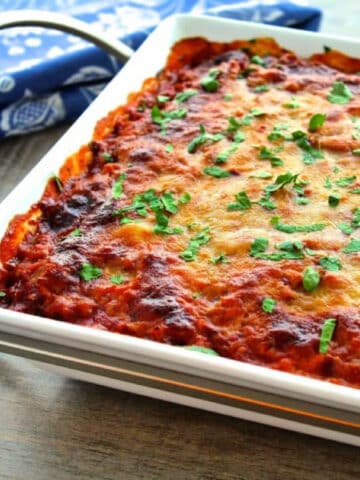
See more plant-based recipes→
Comfort Food
Warm up with these comforting, stick-to-your-ribs dishes that are satisfying and full of flavor.
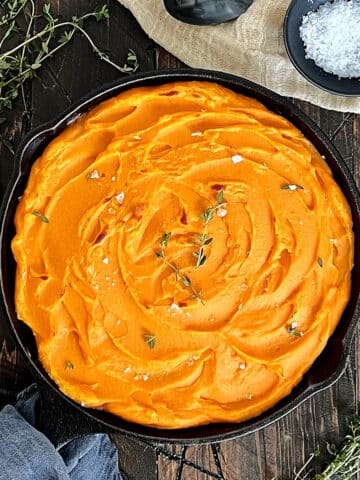
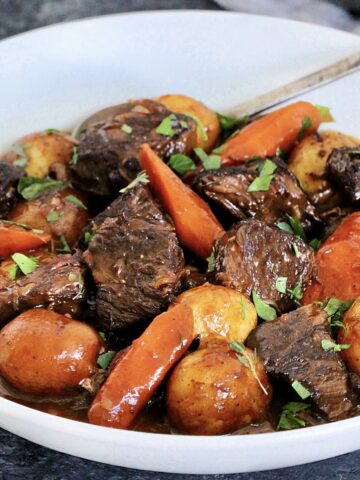
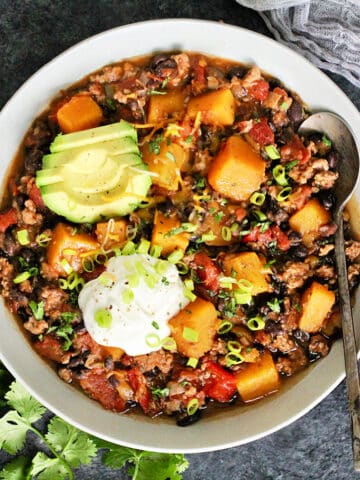
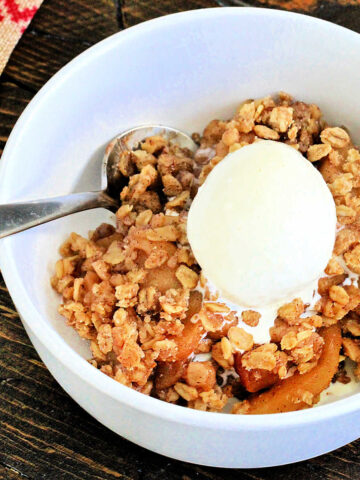
See more comfort food recipes →
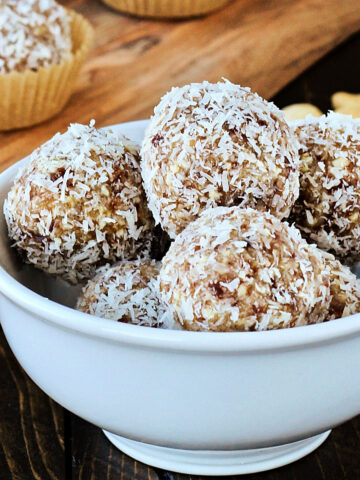
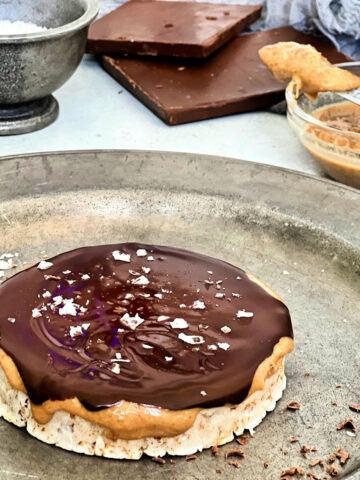
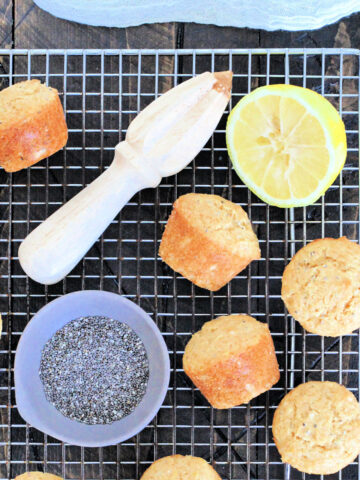
Healthy Snacks
From lunchbox surprises to after-school treats, these tasty snack recipes will make your kids smile.

See more snack recipes →
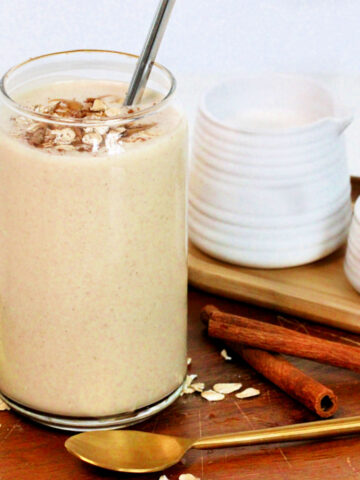
Healthy Smoothies
Revitalize your day with these nutrient-packed smoothies, which feature vibrant flavors and wholesome ingredients for a deliciously healthy sip.
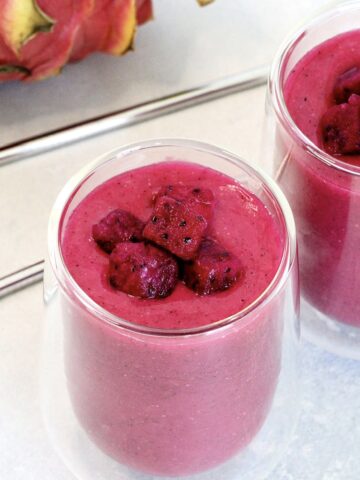
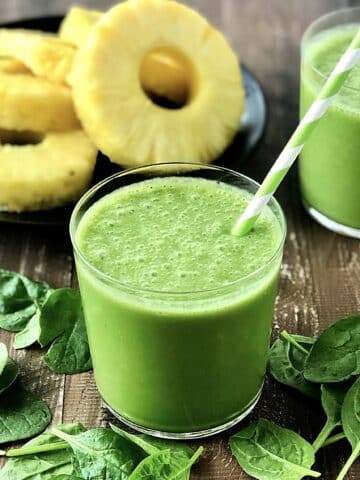
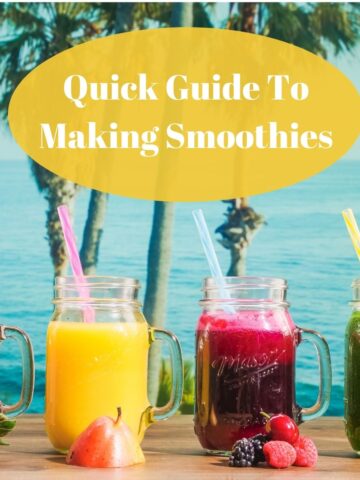
See more healthy smoothie recipes→
Doctor's Corner
A collection of my best Health & Wellness articles.


See more articles →
Culinary School Secrets
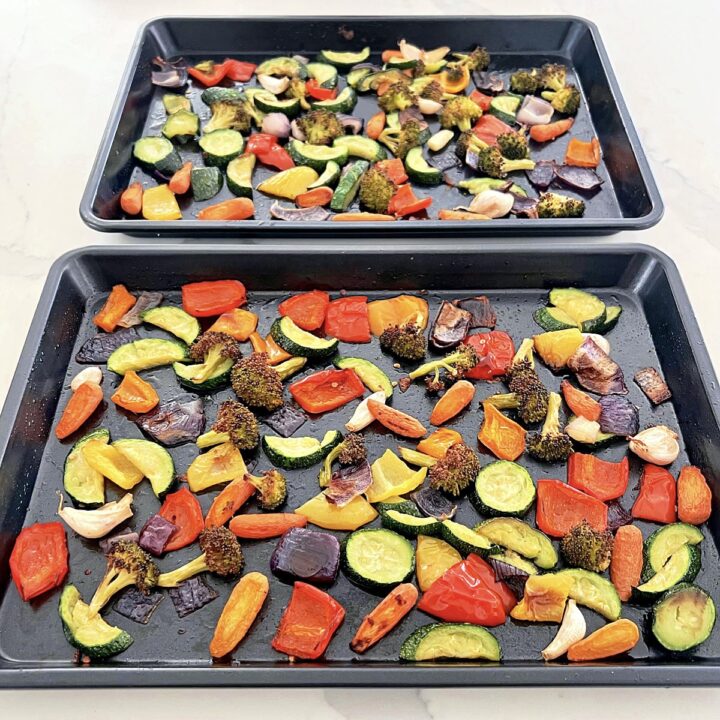
All of my best tips and tricks from culinary school to help you cook like a professional chef at home!
See more culinary how-to →
Parent Resources
Build the foundation for healthy eating habits with these homemade baby and toddler recipes.



See more baby & toddler food →